Where Shiva is worshipped as Vishwanath — the Lord of the Universe — and where the sacred presence of the Ganga has shaped the spiritual life of Kashi for centuries.
Discover Kashi Explore the Ganga
Varanasi, traditionally known as Kashi and also widely known as Banaras, is one of India's most important sacred cities.
At the heart of its spiritual landscape stands Shri Kashi Vishwanath Temple, dedicated to Lord Shiva in the form of Vishwanath — "Lord of the Universe."
The temple is traditionally revered as one of the twelve Jyotirlingas, making it one of the most significant Shiva pilgrimage sites in Hindu tradition.
For SanatanDivya, Kashi represents a living tradition — where temple worship, river, pilgrimage, music, ritual and everyday life exist alongside one another.
Uttar Pradesh, India
Traditionally counted among Shiva's twelve Jyotirlingas
Lord Shiva as Lord of the Universe
Sacred river central to Varanasi's spiritual landscape
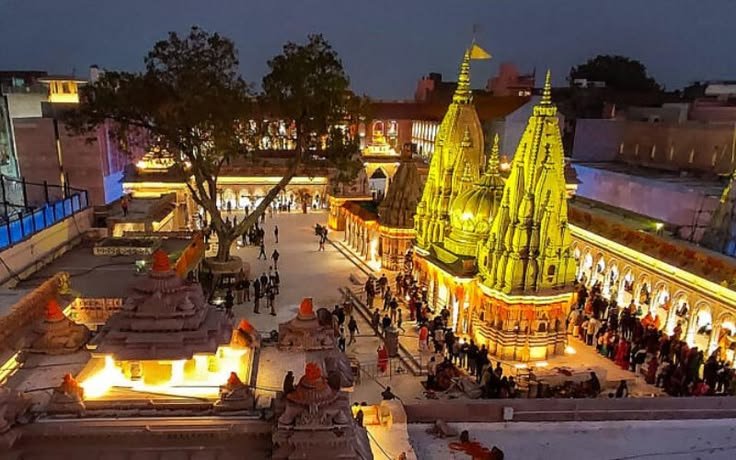
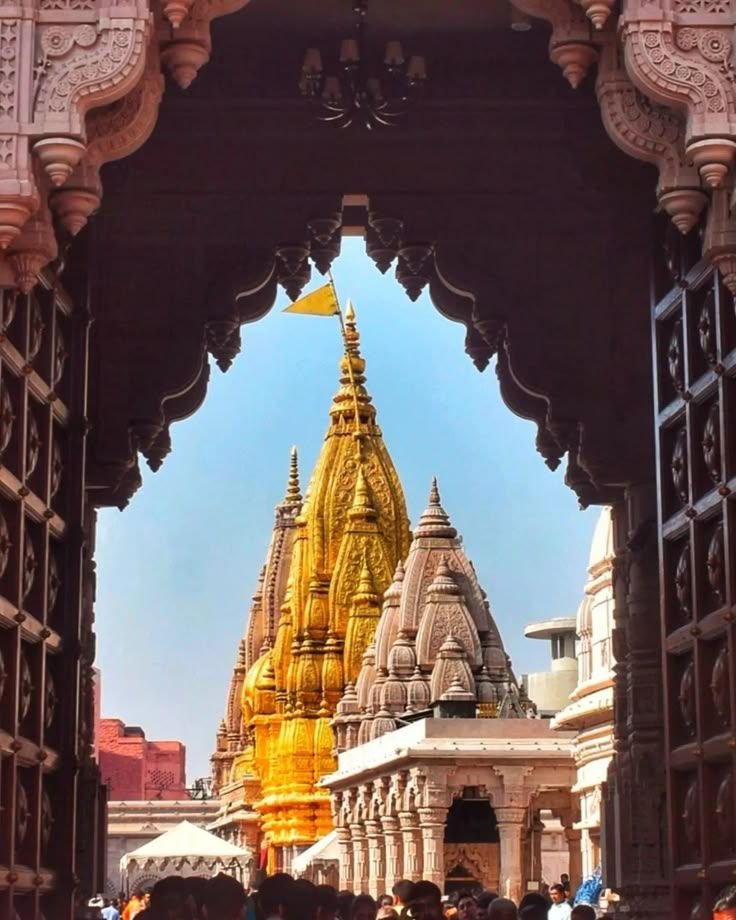
Shri Kashi Vishwanath Temple is one of the most revered temples dedicated to Lord Shiva.
The official temple portal identifies the present structure as having been built in 1780 under Maharani Ahilyabai Holkar of Indore.
The temple is also popularly associated with the name "Golden Temple" because of the gold used on its principal towers.
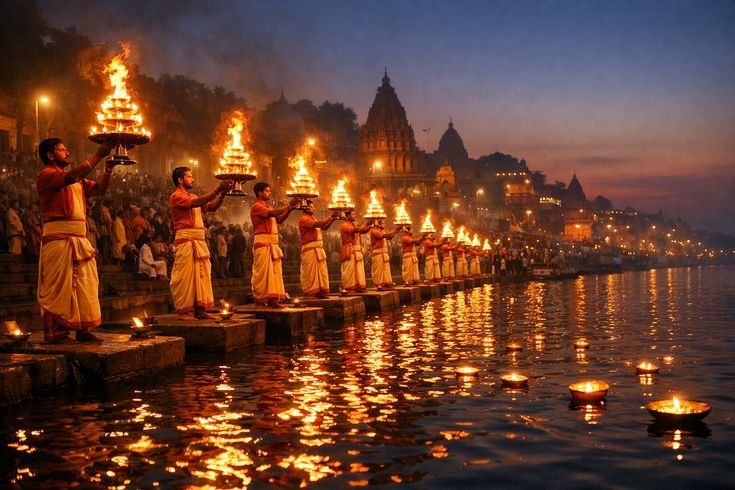
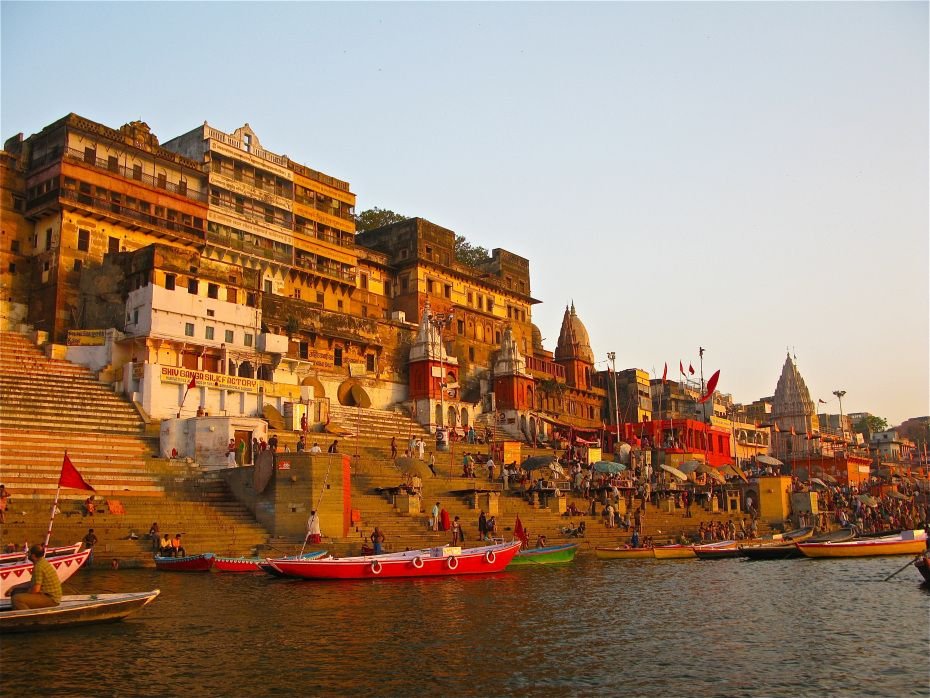
The Ganga is inseparable from the spiritual identity of Kashi.
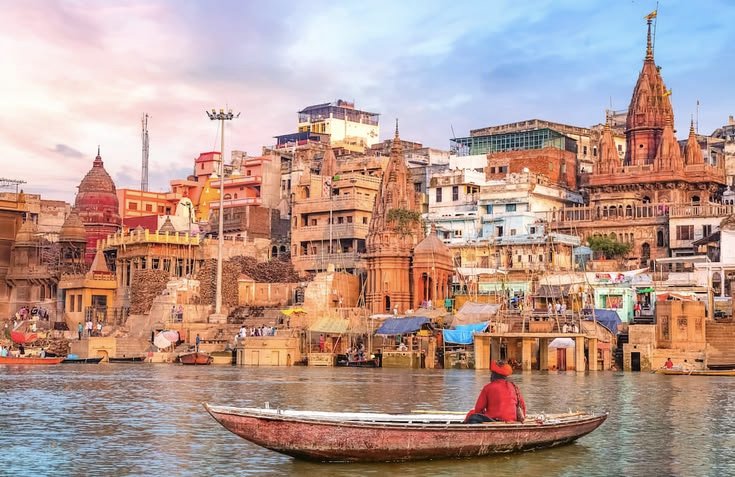
The riverfront ghats form a remarkable landscape of worship, bathing, prayer, ceremonies and daily life. For generations, pilgrims have come to the Ganga at Varanasi as part of their spiritual journeys.
The relationship between Kashi Vishwanath and the Ganga gives the city a distinctive sacred geography: temple, river and pilgrimage are closely connected.
The name Vishwanath, or Vishweshwara, expresses Shiva as the Lord of the Universe. Devotion to Vishwanath is deeply woven into the religious identity of Kashi.
The temple's sacred importance extends beyond its architecture. For devotees, darshan, prayer and ritual form the heart of the pilgrimage experience.
Kashi's spiritual life continues through daily worship, festivals, aarti and countless personal acts of devotion.
The history of the Kashi Vishwanath Temple includes periods of destruction, rebuilding and renewed patronage.
The Kashi Vishwanath tradition is deeply connected with the long religious history of Kashi and with Shaiva worship.
The official Shri Kashi Vishwanath Temple portal records that the present structure was built in 1780 by Maharani Ahilyabai Holkar of Indore.
The temple's administration is governed under the Uttar Pradesh Sri Kashi Vishwanath Temple Act, 1983.
Today, Shri Kashi Vishwanath remains an active place of worship visited by devotees from India and around the world.
The temple follows a daily cycle of worship and aarti. The exact timings and access arrangements can change, so visitors should rely on the official temple portal for current information.
The official temple portal describes Mangala Aarti as an early-morning worship ceremony associated with the opening of the temple.
The temple's daily schedule includes worship ceremonies and offerings of bhog as part of the rhythm of temple service.
Evening aarti and later worship form part of the daily devotional cycle described by the official temple portal.
Kashi cannot be understood through the temple alone. Its ghats, riverfront, streets, rituals and daily life form part of the wider sacred landscape.
Our goal is to document sacred places and their traditions before presenting any future collection connected with them.
Kashi Vishwanath is one of the most important Shiva pilgrimage sites in Hindu tradition.
The Ganga is central to the spiritual landscape of Varanasi and to the experience of pilgrimage in Kashi.
Future SanatanDivya collections will clearly distinguish documented sourcing from traditional belief and devotional interpretation.
SanatanDivya is currently building its sacred-source collection carefully. Before introducing any Kashi-linked product, we intend to establish responsible sourcing, provenance and transparent documentation.
Explore Temple Sources View Collections