A sacred Himalayan abode of Lord Vishnu, surrounded by the mountains of Uttarakhand and revered as one of the great pilgrimage destinations of Sanatana Dharma.
Discover Badrinath Sacred Tradition
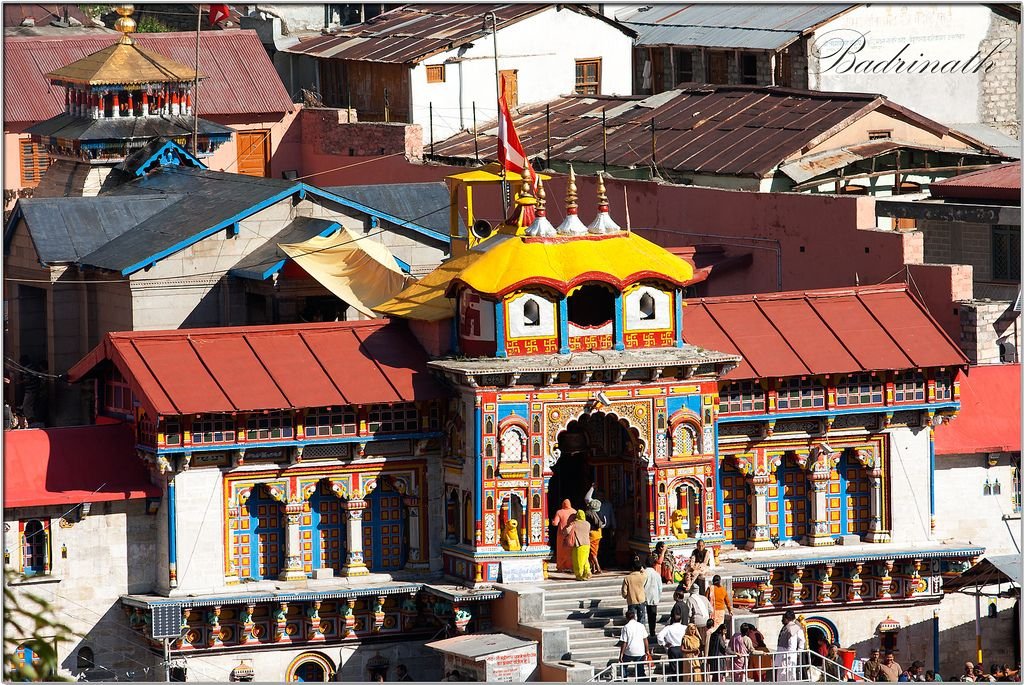
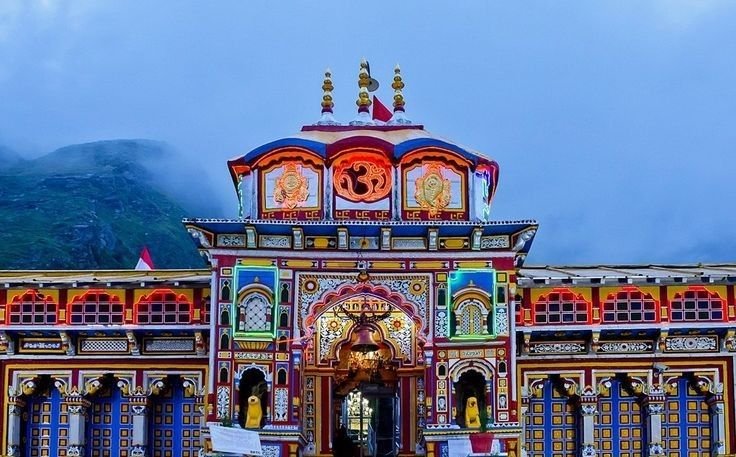
Badrinath Temple is one of the most revered pilgrimage temples dedicated to Lord Vishnu.
It is situated in the Garhwal Himalayas of Uttarakhand, in the sacred town of Badrinath.
Badrinath is traditionally associated with Lord Vishnu in his form of Badrinarayan.
The temple is also an important part of the Char Dham pilgrimage tradition and is deeply connected with the spiritual landscape of the Himalayas.
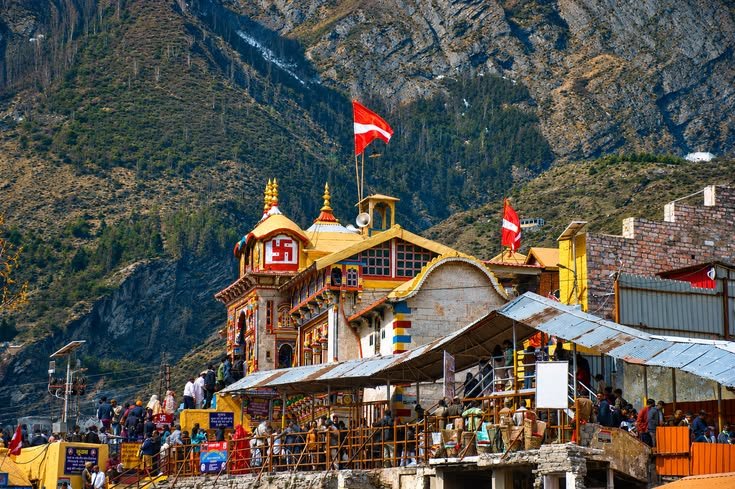
Garhwal Himalayas, India
Worshipped as Badrinarayan
One of India's principal pilgrimage centres
A sacred shrine in the high mountains
Badrinath represents a distinctive meeting of Vaishnava devotion and Himalayan sacred geography.
The shrine is associated with Lord Vishnu and the tradition of Badrinarayan.
For pilgrims, the journey to Badrinath is not only a visit to a temple. The mountains, rivers, pilgrimage routes and sacred traditions form part of the wider spiritual experience.
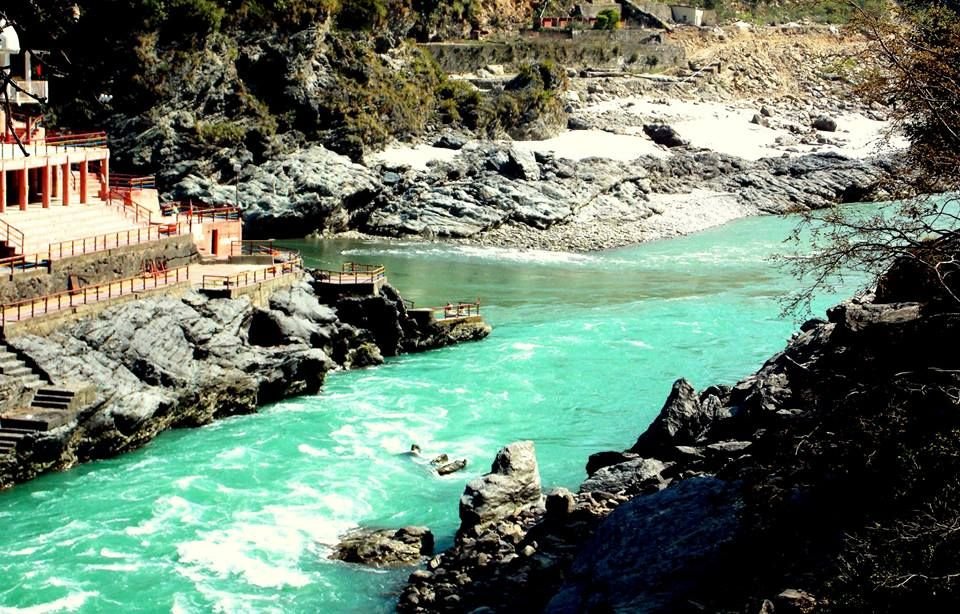
The Alaknanda River flows through the Badrinath region and forms an important part of the sacred Himalayan landscape.
Rivers in the Himalayan pilgrimage tradition are not simply geographical features. They are deeply connected with pilgrimage, purification and sacred geography.
The relationship between the temple, river and surrounding mountains gives Badrinath its distinctive sense of place.
Badrinath is situated within one of India's most extraordinary sacred landscapes.
The surrounding Himalayan peaks, rivers and pilgrimage routes have shaped the spiritual identity of the region for generations.
Here, the physical journey through the mountains becomes part of the experience of pilgrimage.
Badrinath's sacred history is closely associated with the wider traditions of Vaishnavism and Himalayan pilgrimage.
Badrinath is traditionally associated with Lord Vishnu in the form of Badrinarayan.
Traditional accounts connect the revival and organisation of pilgrimage at Badrinath with Adi Shankaracharya.
Badrinath became one of the major pilgrimage destinations associated with the Char Dham tradition.
Badrinath continues to welcome pilgrims who undertake the Himalayan journey to worship Lord Badrinarayan.
The devotional life of Badrinath is shaped by Vaishnava worship, temple rituals and the seasonal nature of Himalayan pilgrimage.
The presiding deity is worshipped as Lord Badrinarayan, a form of Lord Vishnu.
Daily worship and ceremonial traditions form the heart of devotional life at Badrinath.
The Himalayan location means the temple's pilgrimage season is closely connected with mountain weather and access conditions.
Badrinath holds a central place within the Char Dham pilgrimage tradition.
Uttarakhand
Gujarat
Odisha
Tamil Nadu
Reaching Badrinath involves travelling into the Himalayan landscape of Uttarakhand.
For many pilgrims, the journey itself is an important part of the spiritual experience.
Mountains, rivers, villages and sacred sites along the route create a landscape in which nature and devotion exist side by side.
Visitors should always check current government and temple advisories before travelling because Himalayan weather and road conditions can change.
Badrinath is part of a larger Himalayan pilgrimage landscape containing rivers, mountains, temples and sacred places.
The Alaknanda River flows through the Badrinath region and is central to its sacred geography.
The surrounding mountains form an unforgettable natural setting for the pilgrimage.
Badrinath is part of a wider network of pilgrimage places throughout Uttarakhand.
Use authentic and properly licensed photographs to build SanatanDivya's visual archive of Badrinath.
Before creating products connected with sacred places, SanatanDivya wants to understand and document the traditions behind them.
Badrinath gives SanatanDivya an opportunity to explore Vaishnava devotion and the tradition of Badrinarayan.
The temple cannot be separated from the mountains, rivers and pilgrimage routes surrounding it.
Future SanatanDivya collections will clearly distinguish documented sourcing from devotional tradition and interpretation.
Badrinath is currently part of the SanatanDivya
temple-source archive.
We currently have no Badrinath product to offer.
When a future collection is introduced, it will be
presented with clear sourcing, provenance and
transparent documentation.