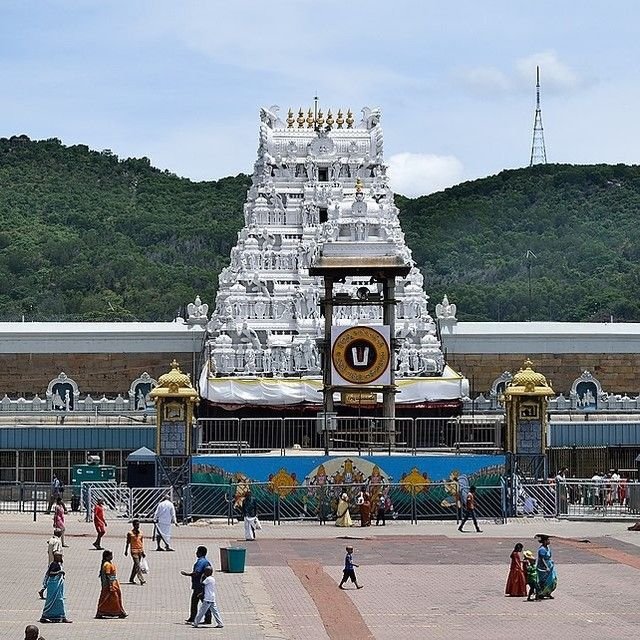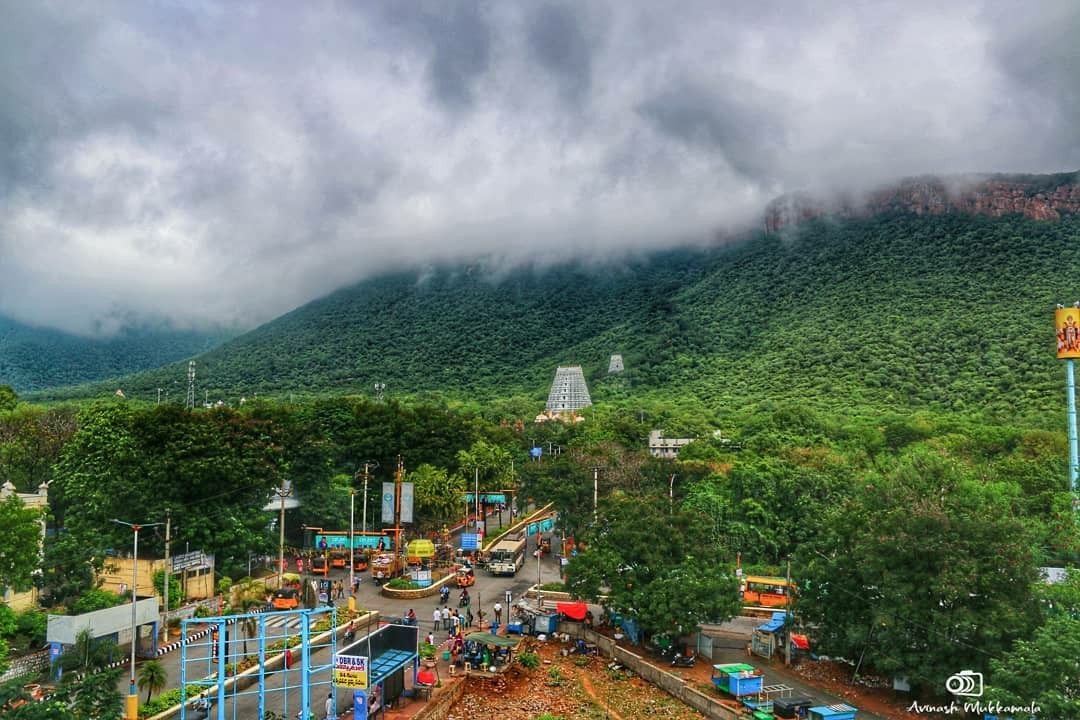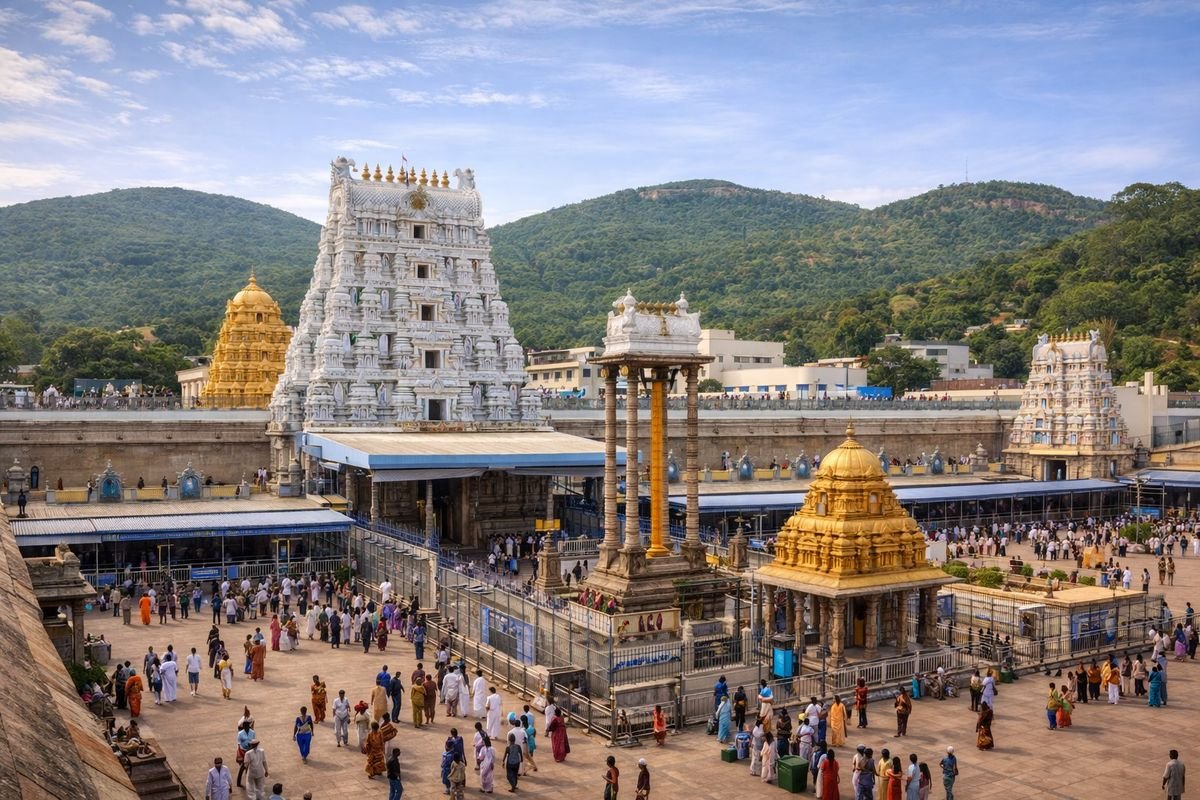
The sacred hill shrine of Lord Venkateswara, where devotion, Vaishnava tradition and the ancient landscape of Tirumala come together.
Discover Tirumala Sacred Tradition
The Tirumala temple is one of India's most important pilgrimage destinations dedicated to Lord Venkateswara.
The presiding deity is worshipped as Sri Venkateswara, a form of Lord Vishnu.
The temple stands on the Tirumala hills, creating a distinctive connection between sacred architecture, pilgrimage and the surrounding landscape.
Millions of devotees visit the Tirumala shrine as part of their spiritual journey, making it one of the world's most visited religious destinations.
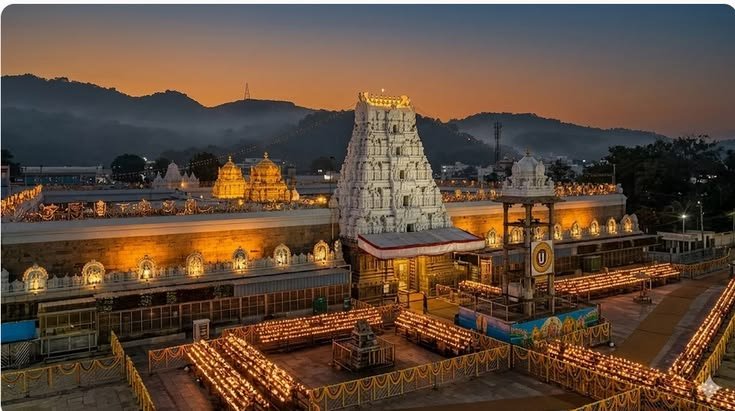
Andhra Pradesh, India
A revered form of Lord Vishnu
Tirumala is traditionally associated with seven hills
A major centre of Vaishnava pilgrimage
Lord Venkateswara is revered by devotees as an embodiment of Lord Vishnu.
The Tirumala tradition combines devotion to Vishnu with the sacred geography of the seven hills.
For pilgrims, the journey to Tirumala is understood not merely as travel, but as a devotional undertaking.
Tirumala is traditionally known as the land of the seven sacred hills.
These hills form an important part of the religious identity of the pilgrimage centre and are deeply connected with local traditions.
The journey through the hills gives pilgrims a powerful sense of entering a sacred landscape rather than simply approaching a monument.
The Tirumala hills are inseparable from the spiritual identity of the Venkateswara tradition.
The mountain landscape, pilgrimage routes, temple architecture and devotional practices form one connected sacred experience.
For generations, devotees have travelled to Tirumala seeking darshan of Lord Venkateswara.
The Tirumala tradition has developed through centuries of religious practice, temple patronage and pilgrimage.
The worship of Lord Venkateswara at Tirumala is rooted in a long-standing Vaishnava devotional tradition.
Over centuries, rulers, communities and devotees contributed to the development and expansion of the temple complex.
Tirumala developed into one of the most important pilgrimage centres associated with Lord Vishnu.
The Tirumala temple continues to receive devotees throughout the year and remains an active centre of worship.
The spiritual life of Tirumala is expressed through daily worship, darshan, offerings and long-standing temple traditions.
Devotees travel to Tirumala to receive darshan of Lord Venkateswara.
Offerings form an important part of devotional practice at the temple.
The temple follows an extensive cycle of daily religious services and rituals.
For many devotees, the pilgrimage to Tirumala is itself an act of devotion.
Some pilgrims undertake the journey by road, while others follow traditional walking routes toward the hills.
The experience is shaped by the movement from the plains into the hills and finally toward the temple.
Visitors should always check the official temple administration for current darshan, accommodation and pilgrimage arrangements.
Tirumala's religious identity extends beyond the main shrine into a wider culture of pilgrimage, service and devotion.
Devotees from different parts of India and around the world visit Tirumala seeking darshan.
Service and volunteering are important aspects of the wider devotional culture surrounding the pilgrimage centre.
Architecture, ritual, music, offerings and pilgrimage traditions together form Tirumala's living heritage.
Use authentic and properly licensed photographs to build SanatanDivya's visual archive of Tirumala.
Before creating products connected with sacred places, SanatanDivya wants to understand and document the traditions behind them.
Tirumala gives SanatanDivya an opportunity to explore the devotional tradition of Lord Venkateswara.
The seven hills form an essential part of Tirumala's sacred geography and pilgrimage identity.
Future SanatanDivya collections will clearly distinguish documented sourcing from devotional tradition and interpretation.
Tirumala is currently part of the SanatanDivya
temple-source archive.
We currently have no Tirupati product to offer.
When a future collection is introduced, it will be
presented with clear sourcing, provenance and
transparent documentation.